

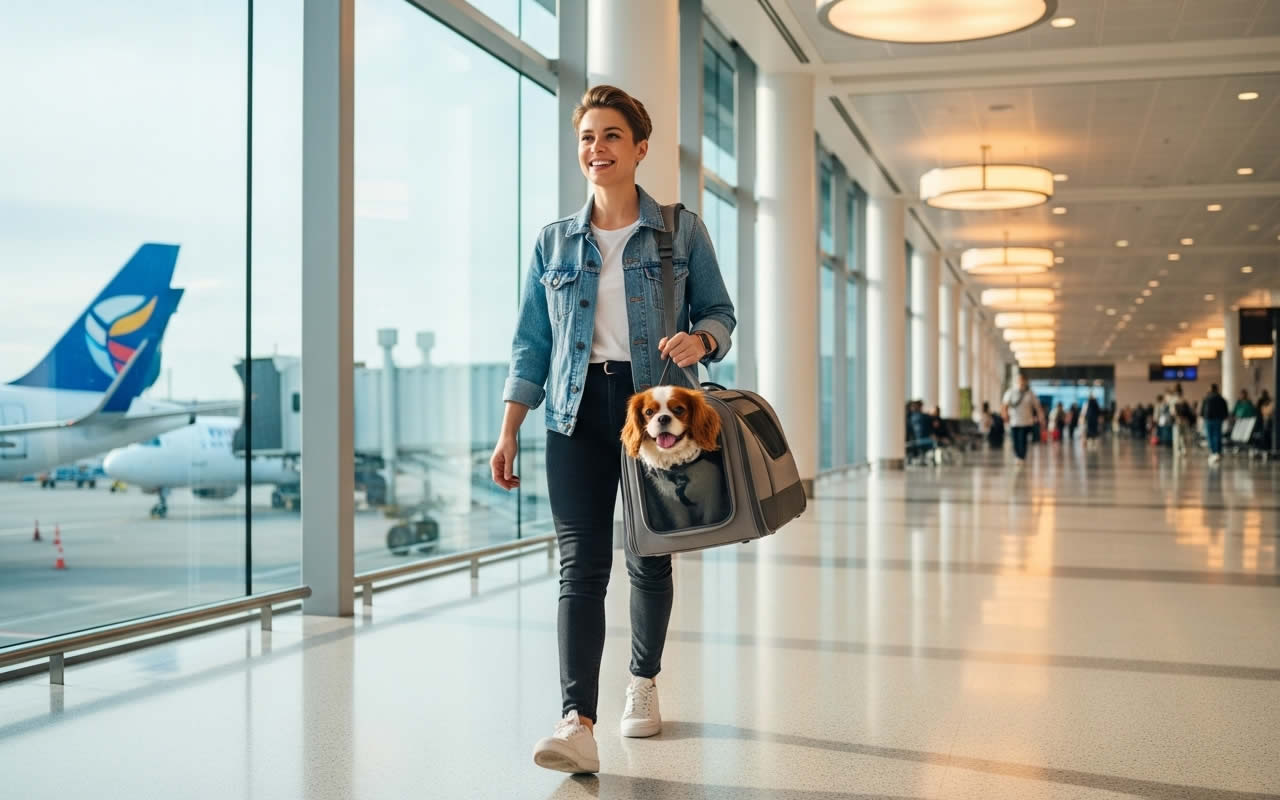
Traveling by air with your pet can be an exciting yet challenging experience. Understanding airline policies and preparing accordingly is essential to ensure a smooth and safe journey for your furry companion. With proper planning, the right equipment, and up-to-date knowledge of airline regulations, you can make the process far less stressful and far more successful.
Every airline has unique pet travel guidelines, which can impact everything from the size of your pet carrier to the travel environment for your pet. In addition to airline-specific rules, international travel often involves strict government requirements that can surprise first-time pet travelers. To help you plan effectively, we’ve outlined the key aspects of airline pet policies and how to navigate them seamlessly. For a complete resource on how to travel with pets, consult this detailed guide, which not only covers the basics but also provides pro tips that seasoned travelers and relocation specialists recommend.
1. Cabin or Cargo: Choosing the Right Option
Depending on your pet’s size and the airline’s regulations, your furry friend may travel in the cabin or as cargo. Small pets usually qualify for in-cabin travel in an approved carrier that fits under the seat, while larger pets must be transported in the climate-controlled cargo hold. Airlines typically restrict the number of in-cabin pets per flight, so early booking is crucial.
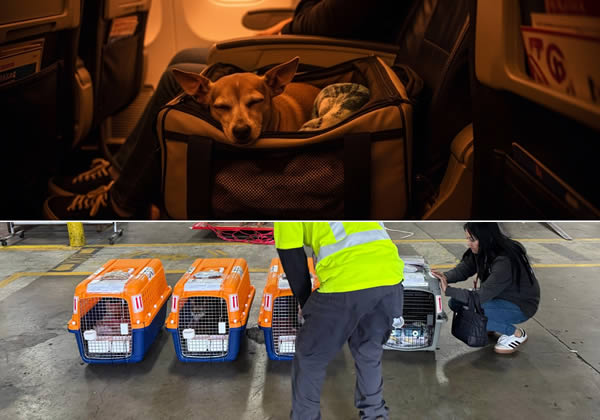
Traveling in the cabin allows you to stay close to your pet, which reduces stress for both owner and animal. However, large breeds, service animals, and certain emotional support animals may face restrictions. Cargo travel, while often misunderstood, can be safe when using reputable airlines that provide monitored and climate-controlled environments. Research your airline’s specific policies and evaluate whether cabin or cargo is the best fit for your pet’s comfort and health.
2. Approved Pet Carriers
Airlines require IATA-compliant pet carriers to meet specific size and safety standards. For cabin travel, carriers must fit under the seat and allow your pet to move comfortably. The carrier should be well-ventilated and secure, preventing escapes while ensuring airflow. Choosing the right airline-approved crate size is essential for both safety and compliance.
For pets traveling as cargo, an International Air Transport Association (IATA)-approved hard-sided crate is mandatory. These crates must be large enough for the animal to stand, turn around, and lie down naturally. It’s recommended to label the carrier with your contact information, attach water bowls, and line it with absorbent material to keep your pet clean during transit. Training your pet to feel comfortable inside the crate weeks before travel can significantly reduce anxiety and create a more stress-free pet travel experience.
3. Breed and Size Restrictions
Some airlines restrict certain breeds, especially brachycephalic (short-nosed) breeds like Bulldogs, Pugs, and Persians, due to their susceptibility to respiratory issues. Restrictions can also extend to very large dogs, which may exceed weight limits even for cargo travel. These rules are enforced to protect animal safety, so it’s essential to confirm policies before booking your ticket.
If your pet belongs to a restricted breed category, you may need to explore specialized relocation services that work with airlines experienced in transporting sensitive breeds. Early research prevents heartbreaking last-minute cancellations at the airport.
4. Health and Vaccination Requirements
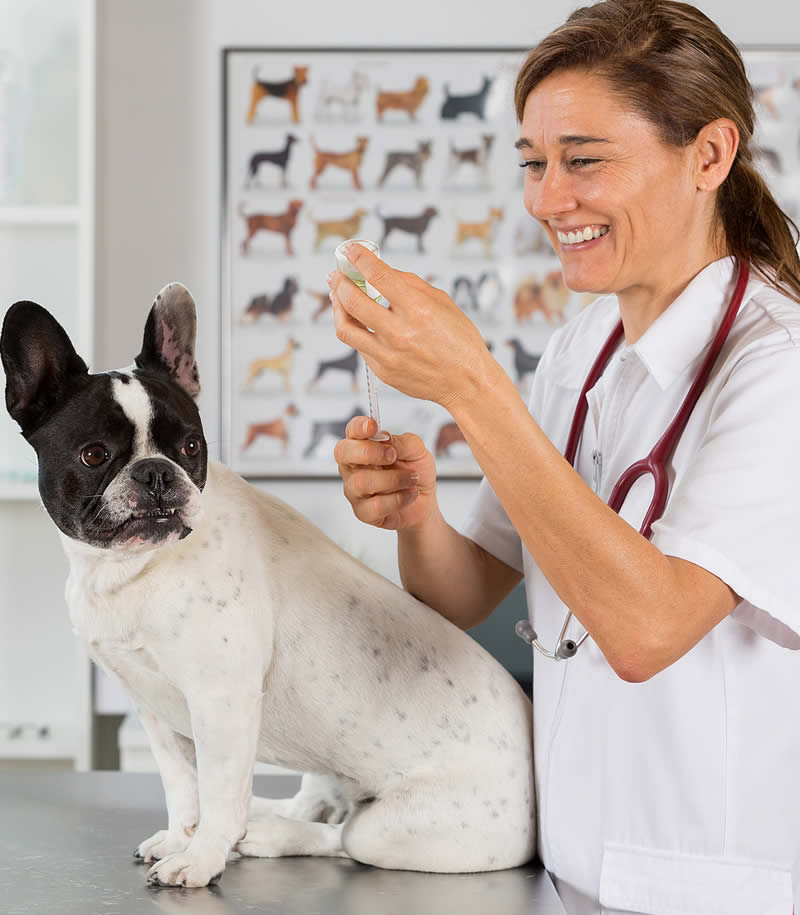
Most airlines require a health certificate issued by a licensed veterinarian within a specific time frame before travel, typically 10 days. This certificate confirms that your pet is fit to fly. For domestic flights, requirements may be limited to proof of rabies vaccination, but international travel usually involves far more documentation.
Depending on your destination, you may need import permits, microchip registration, and government endorsements such as USDA approval. Some countries require mandatory quarantine periods, so it’s critical to plan months in advance. Always keep copies of your pet’s vaccination records in your carry-on bag, as airline staff and customs officials may request them at multiple checkpoints. For expert guidance and all required paperwork, visit pet documentation services for travel.

5. Booking and Fees
Airline pet policies include specific booking procedures and fees for traveling with pets. Many airlines require advance reservations for pets, as the number of animals allowed per flight is often limited. This is especially true for in-cabin spots, which can sell out quickly.
Fees vary widely depending on the airline, the pet’s size, and whether they are traveling in-cabin or as cargo. Some airlines charge per segment of the journey, which can add up quickly on international itineraries. Confirm all costs during the booking process to avoid surprises at check-in, and always keep your payment confirmation handy. For more comprehensive options on relocating pets internationally, consider global pet shipping services.
6. Preparing Your Pet for Travel
Preparation is key to ensuring your pet is comfortable and calm on travel day. Start crate training well before the trip by introducing the carrier gradually and rewarding your pet for spending time inside. The goal is for the crate to feel like a safe space, not a punishment.
Exercise your pet before the flight so they’re more relaxed during the journey. Avoid feeding large meals within four hours of departure to prevent motion sickness. Instead, offer a light snack or small portion. Do not medicate your pet with sedatives unless prescribed and approved by your veterinarian, as sedation can sometimes complicate breathing at high altitudes. Before you travel, review our pet departure checklist to ensure nothing is overlooked.

7. Seasonal Considerations
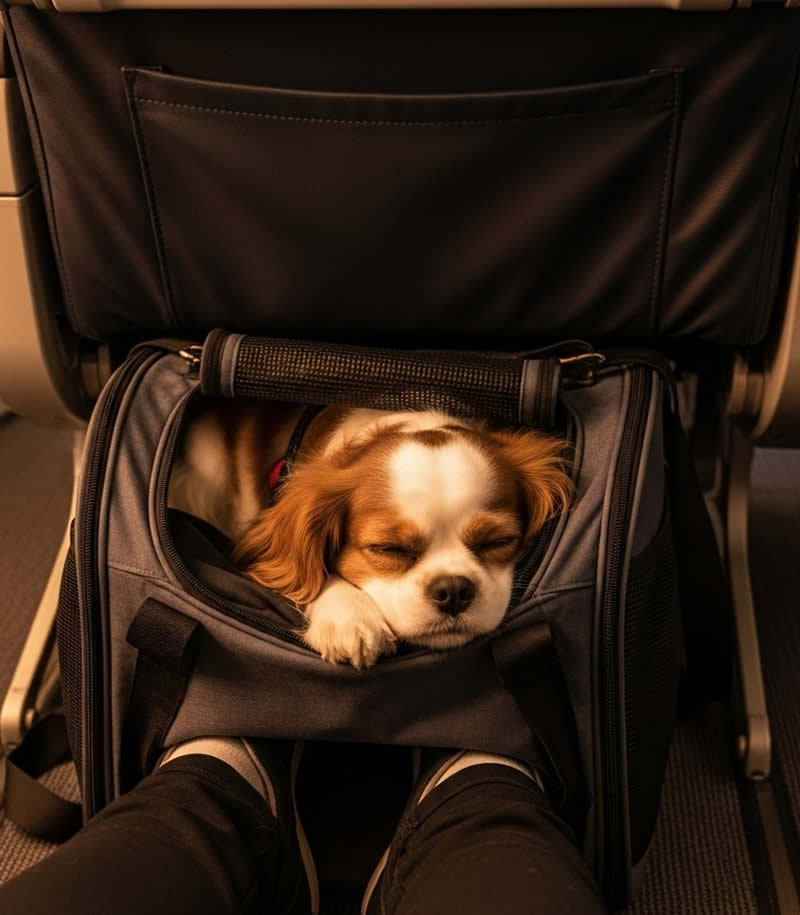
Extreme weather can impact pet travel, particularly if your pet is flying in the cargo hold. Many airlines impose embargoes during summer and winter months to avoid exposing pets to dangerous temperatures on the tarmac. Even short periods of heat or cold stress can be hazardous.
To minimize risks, choose nonstop flights whenever possible, and schedule departures during cooler times of day in the summer or midday during the winter. If travel during extreme weather is unavoidable, consult with your airline about special accommodations or temperature-controlled holding areas.
8. Pet-Friendly Airlines
Some airlines are renowned for their pet-friendly policies, offering exceptional care for furry travelers. Delta, American Airlines, United, and Lufthansa all provide specialized services for pets, though policies differ by route and aircraft. International carriers such as KLM and Emirates are also recognized for their dedication to pet safety.
When evaluating an airline, research reviews from other pet owners, ask about live animal handling procedures, and confirm whether the airline provides tracking or updates during the journey. A little extra research can give you peace of mind and ensure your pet is in good hands.
Understanding airline pet policies and preparing accordingly can significantly reduce the stress of air travel for both you and your pet. From selecting the right airline to ensuring your pet meets all travel requirements, careful planning is the key to a safe and enjoyable journey. For many pet owners, consulting an expert service saves time, avoids costly mistakes, and ensures every regulation is met.
At Pet Travel Talk, we’re here to assist you with personalized guidance on air travel for pets. Check out our pet travel resources for comprehensive information. For international pet shipping services, visit Across the Pond Pet’s Travel with Pets Guide. Let’s make your pet’s travel experience as smooth and comfortable as possible!
Prepare, plan, and embark on your next adventure with your furry friend. With the right information and resources, the skies are the limit!
